Friday, May 24, 2013

OH THE IRONY


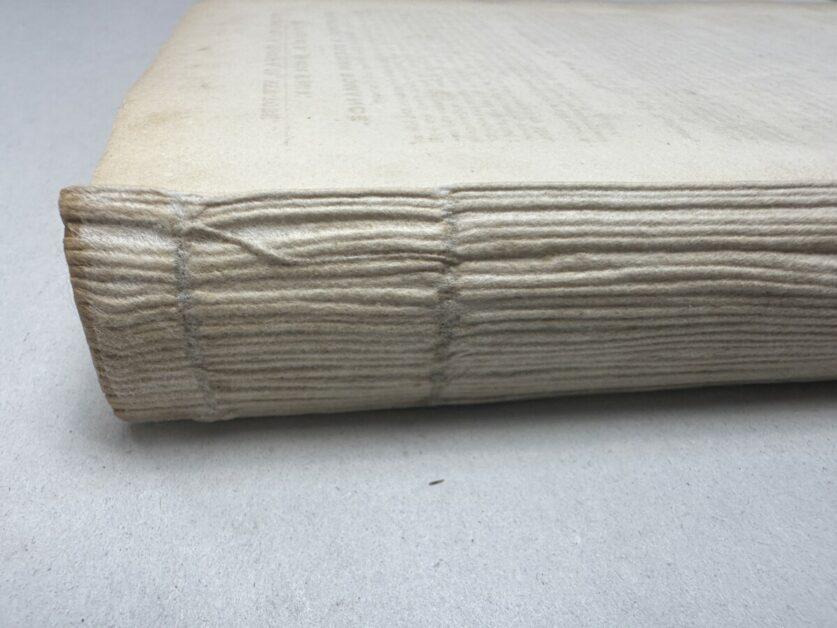
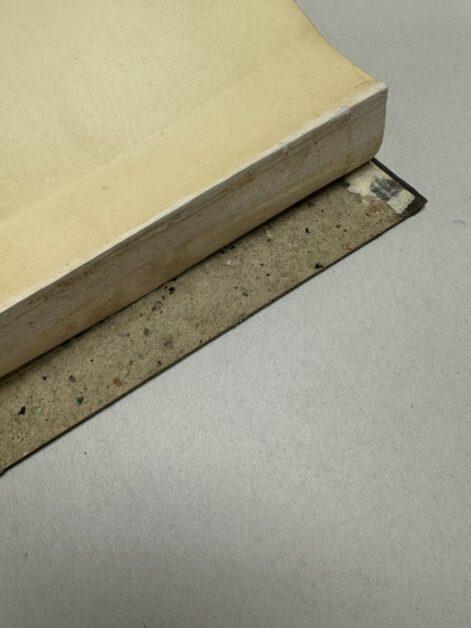
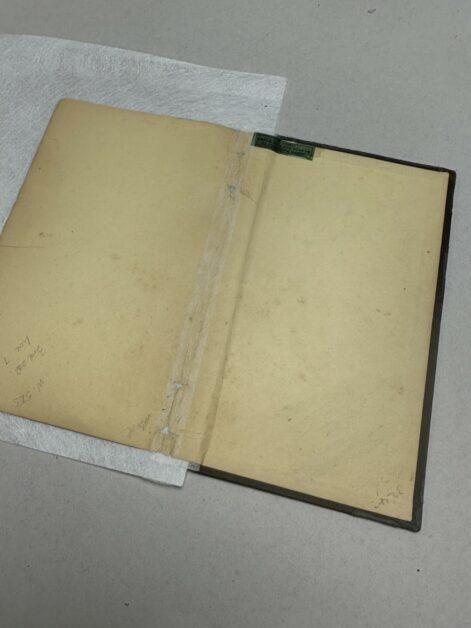
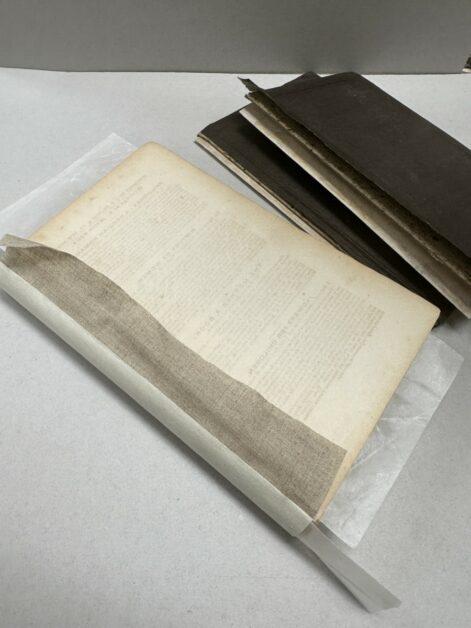
In pursuit of Preservation information, a recent patron applied tape to the pages in order to then underline what they deemed significant passages.


TAPE.

Was this to protect the paper?  We don't know.  We do appreciate they did not want to actually write on the page itself, it not being their personal book, but tape is just as harmful to the printed page, if not more damaging.


Pressure sensitive adhesive materials leave a residue and cause the deterioration of the fibers in paper.  These include all variety of sticky notes and every kind of tape, even if the manufacturer has marketed it as a repair material.


Tape is tape is tape...
and will ultimately cause harm to those special materials you are trying to preserve.
(We recommend using thin Japanese paper and rice starch or wheat starch paste to repair torn pages.)


Luckily, after some careful use of tools, we were able to remove this harmful material from the book's pages.  This time...

Tuesday, April 23, 2013

Preserving our History

 In His Temple doth every Man Speak of his Honour

In the Preservation Services department,
 it is our task to care for those special pieces of history.
We become their Temple of Care. 
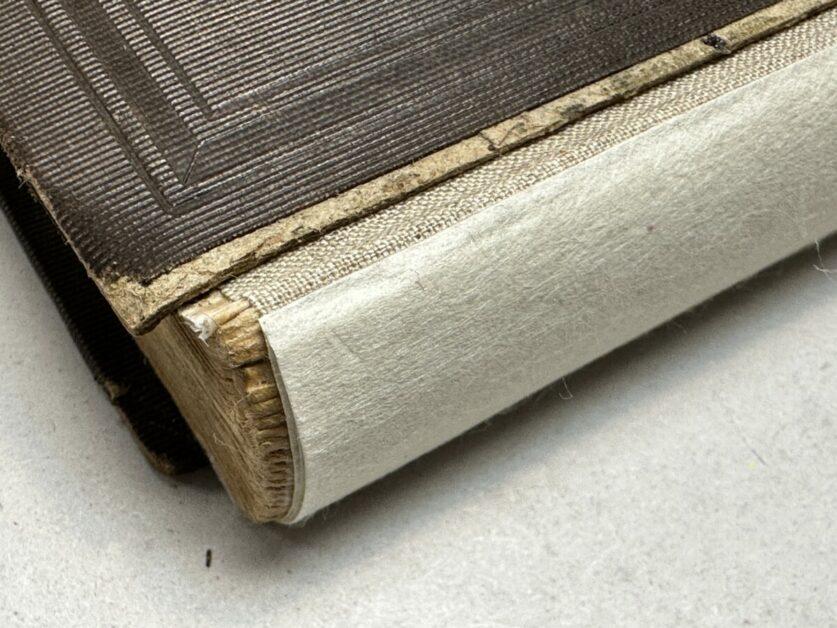
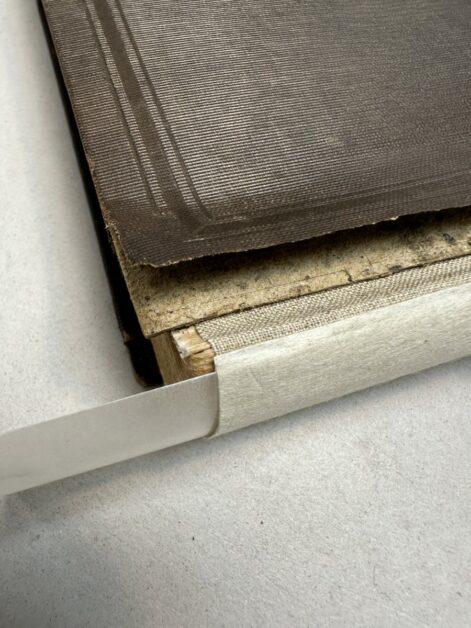
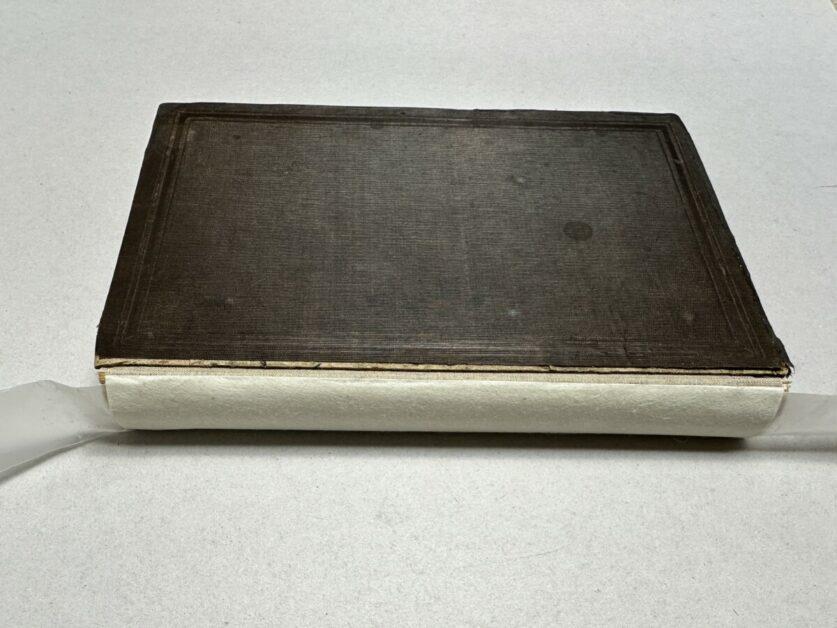
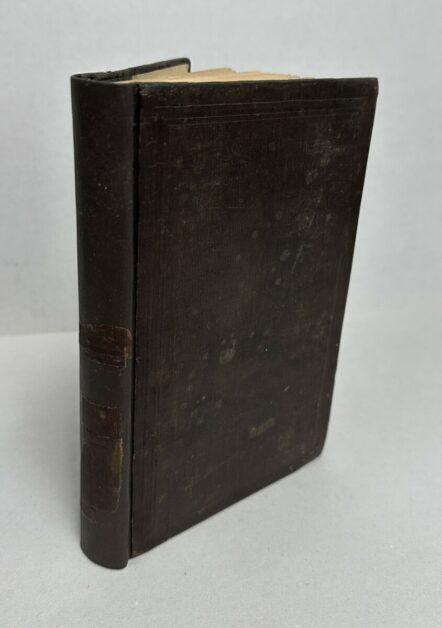
Some items from our Rare Books collections require conservation, mending pages
 and recreating hinges and, ultimately, for its own good,
 a micro-environment to protect it from the changing daily elements.
Clam shell boxes specially designed for those special books
 are a great way to gently house these items.


We become the angels of mercy, protecting these creatures from the ravages of time.

They are delightful company.

Tuesday, August 7, 2012

Hope and Respect

A poor book was caught in an unfortunate house fire.  It was brought to the preservation department to receive some help. 

It has been shown mercy, hope and is happily receiving a new cover.

It takes a kindness to show respect. 

The books of Jackson library are valued and used and we are glad to be able to revive those that seem to have lost hope, renewing their usefulness and providing valuable resources to the patrons of the university.

Friday, July 6, 2012

Monday, May 21, 2012

Fired.

Burning pages is similar to burning bridges...Once it is gone, you can not go back.  Although we have ways to substitute vandalized pages.

Friday, October 21, 2011

Recent work for Special Collections


We received the book entitled The Clerks Guide printed in 1672 from Special Collections to preform some restoration work on it in the Preservation Lab. The front board was detached, the endbands were missing, the back endsheets were lacking, the front few pages were loose and the spine was badly damaged.


The images above show some of the work in progress. The left side shows the process of lifting the original leather spine. The right side shows the book in the finishing press after all of the old glue was removed and the spine consolidated with new paste.

To finish the work, the loose pages were reattached, boards were restored and reattached, new two color silk endbands were hand sewn onto the head and tail of the text block, the spine was replaced with new leather, old spine remounted and a new fly leaf in the back was added.

Friday, July 1, 2011

Japanese Bookbinding


Recently we had an interesting book from the circulation collection come through the preservation lab. It was a book filled with beautiful Ukiyo-e prints from the Japanese printmaker Hokusai.

Once upon a time it had a beautiful binding with Japanese silk bookcloth, but the binding had seen better days and it was time for it to get a new case.

This book is not your typical book because it was produced in the traditional Japanese bookbinding style. Instead of having single leaves - called folios - that make up a signature, it was made in the accordion style with Japanese side sewing.


This book (NE1325.K3 M47) among other books on Hokusai can be found in the general collections housed on the fourth floor in the Tower. To read more about Japanese bookbinding methods there is an excellent book in Special Collections entitled “Japanese Bookbinding” by Kosanji Ikegami (Z270.J3 I3713 1986). Also if you are interested in seeing some Japanese prints there is an exhibit currently at the Weatherspoon Art Museum.